
Sanyukta Bhagwat
Think Round Inc · UX UI Designer
Guidance for every Wellness Journey & purchase
Website Design
UX Strategy
UI Design
Prototyping
Research
Responsive Web
Direct-to-Customer
B2C
Content Discovery
E-commerce


An E-Learning website for Aromatherapy

Details
Nirvana
Client Think Round Inc
Timeline Q1 2026 - present (Launching Q3- 2026)
Role UX UI Designer (Team of 4)
User Experience | E-learning
Team 1 Team Lead, 1 Developer, 4 Designers (incl. me)
THE PROBLEM
Too much to learn, not enough guidance.
Learners are often met with a world of oils, benefits, techniques, and terminology without an intuitive path to discover, understand, and apply what matters to them
THE SOLUTION
Aromatherapy, made intuitive
From interactive exploration, the platform turns complex knowledge into an engaging learning journey helping users discover, understand, and apply it with confidence
THE OUTCOME
More mindful moments,
Less guesswork
Transform aromatherapy education into an intuitive journey of discovery, helping people understand their options and build more intentional everyday wellness rituals
MY ROLE
From IA to the logic of music for oil blends
As a Product Designer my focus was shaping the core experience from essential oil & blend discoveries to intuitive IA and onboarding. Led UX research and translated insights into product strategy, roadmap prioritization, and phased experiences that balanced user needs with business goals
Web Design
Designed onboarding and core exploration interfaces
Information Architecture
Built armature that guides users from discovery to the right solutions with clarity
UX Research
Contributed to UX research, user stories, personas and competitive analysis
Prototyping
Built high-fidelity prototypes and micro-interactions
Product Roadmap
Phased the website for education-focused initially to scale e-commerce layer later
Usability Testing
Tested the mid-fidelity to identify barriers across navigation and prioritized CRO
THE CHALLENGE
Of Fragmented Wellness Experience
After long workdays, many people search for ways to unwind—lighting a candle, making tea, or using essential oils to relax. Interest in aromatherapy and natural wellness is increasing, but digital resources remain fragmented.
Educational articles explain the benefits of oils, e-commerce stores sell hundreds of products, and wellness apps offer meditation routines.
These experiences rarely connect in a meaningful way.....
01
Educational content
02
Wellness
Apps
03
E-Commerce
Guides
Fragmentation creates a major usability gap

How Might We
design a digital platform that bridges learning, wellness routines, and oil discoveries without overwhelming users?
If aromatherapy learning and product discovery are structured as a guided experience journey, users will move more confidently from curiosity --> consistent usage.
• Practice aromatherapy regularly
• Develop mindfulness habits
• Discover products naturally through usage
THE SOLUTION:
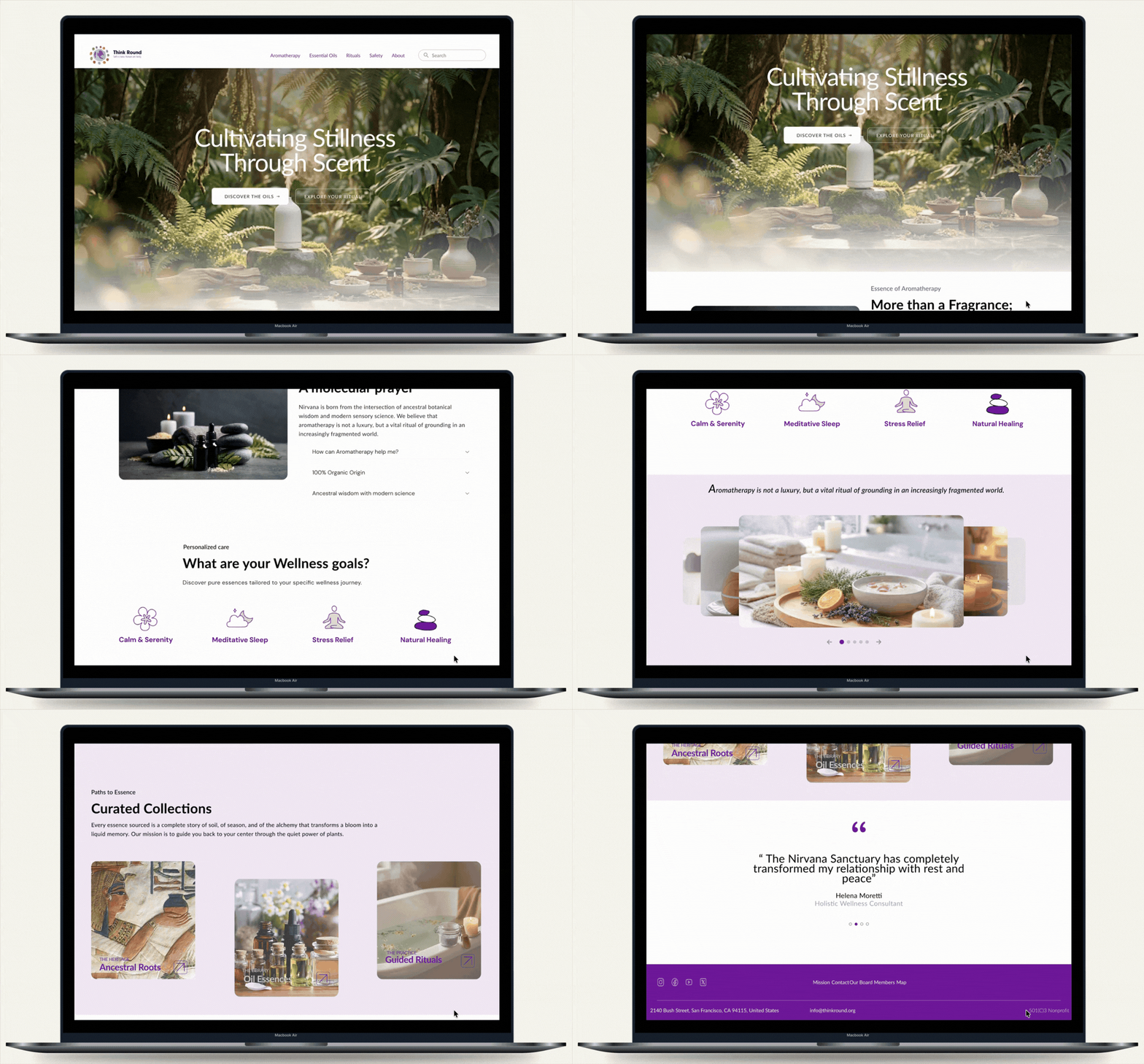
Unifying Learning, Wellness and Retail
Nirvana is a digital experience designed to help users integrate aromatherapy into their everyday lives through education and guided routines
USER LANDSCAPE
Research study
To understand the needs of aromatherapy users and wellness practitioners, we conducted a mixed-method study combining secondary data, user interviews, and expert consultations.
Methods
Competitive analysis | User interviews | Secondary content research
Key Insights from User Pain points // painpoint **opportunity
// Users struggle to translate knowledge into action
87% users read about oils but don't use them in structured routine
** Passive learning into guided routines
// Actionable guidance on incorporating the therapy is missing
78% practitioners said that users with guided information feel confident
** Habit-focused and practical information
// Fragmented Digital Experience
Blogs- Learning
Ecommerce- Products
Wellness apps- Routines, usage
** Consolidated platform
// Difficulty choosing oils and blends
Users were 2x likely to use oils when informed about the profile
** What, When & How answers to the oils usage
// Cognitive load reduces interest
Users spend avg. 5 mins on leaning articles before dropping off
** Modular, bite-sized information across the platform
What the 'Wellness users' told us...
To understand how people learn and practice aromatherapy, we conducted semi-structured interviews with both wellness practitioners and everyday users who regularly use essential oils.
How often do you use aromatherapy in your daily life?
In what situations do you typically use essential oils?
What type of information do you look for before using a new oil for routine?
"I read about lavender helping with sleep, but I’m not sure how to actually create a nighttime routine."
“I worry about buying the wrong oil.”
“I trust educational websites more than stores.”
What challenges do you face when selecting products online?
What features would make an aromatherapy website more helpful for you?
“Most websites explain oils but don’t tell me how to use them.”
Would guided routines or step-by-step instructions improve your experience?
Do you currently follow any aromatherapy routines?
Do you prefer simple & calming interface for your wellness?
How would you see the platform- heavy product based or minimal information?
“I don’t like when wellness sites feel overly commercial.”
BEHIND THE SCENES WORK
Empathize with Users
Data informs the “why” behind the design. From user needs to behavioral patterns, I turn evidence into
clearer product decisions
Building Empathy
Based on above insights, two personas were developed - the curious newcomer (Alex) and an experienced integrator (Ember).
Use the slider to meet Alex and Ember


PRODUCT ROADMAP
Content is the discovery engine for e-commerce
Product evolves from an education-first experience into a full education + e-commerce platform.
Please explore the phasing by clicking the color nodes for its role and e-commerce connection
THE DESIGN WORK
Core Journeys, Rooted in Emotions, Trust and Conversion
Designed intuitive pathways that connect how users want to feel with the right aromatherapy products building trust, encouraging discovery, and creating a scalable e-commerce conversion journey.
DESIGN PRINCIPLES
01
Intent-led discovery
Navigation around familiar wellness needs- Calm, Sleep, Stress Relief, and Energy, Nielsen’s match with the real world and recognition over recall principles
02
Guided exploration, not catalog
Curated collections, mood filters, tabs, search, accordions and alphabetical browsing to progressively narrow choices through Hick’s Law and minimalist design.
03
Visual Hierarchy
Gestalt principles - proximity, similarity, and common region through consistent cards, tags, image frames, and section containers to understand what information belong together.
04
Calm Design system
Combined soft lavender surfaces, real imagery, generous whitespace, rounded components, and reusable UI patterns;
brand’s restorative identity for catalog and e-commerce scale.
05
Conversion psychology
Anchoring, trust and FOMO urgency;
high-contrast CTAs, consistent placement, and large tap targets for key actions- oil/blend discovery- later purchase easy - Fitts’s Law.
06
Trust building transparency
Visible scent notes, ingredient lists, oil families, intensity, and blend composition to support informed decisions - credible path toward future purchase flows
DESIGN SYSTEM
Color, type and components
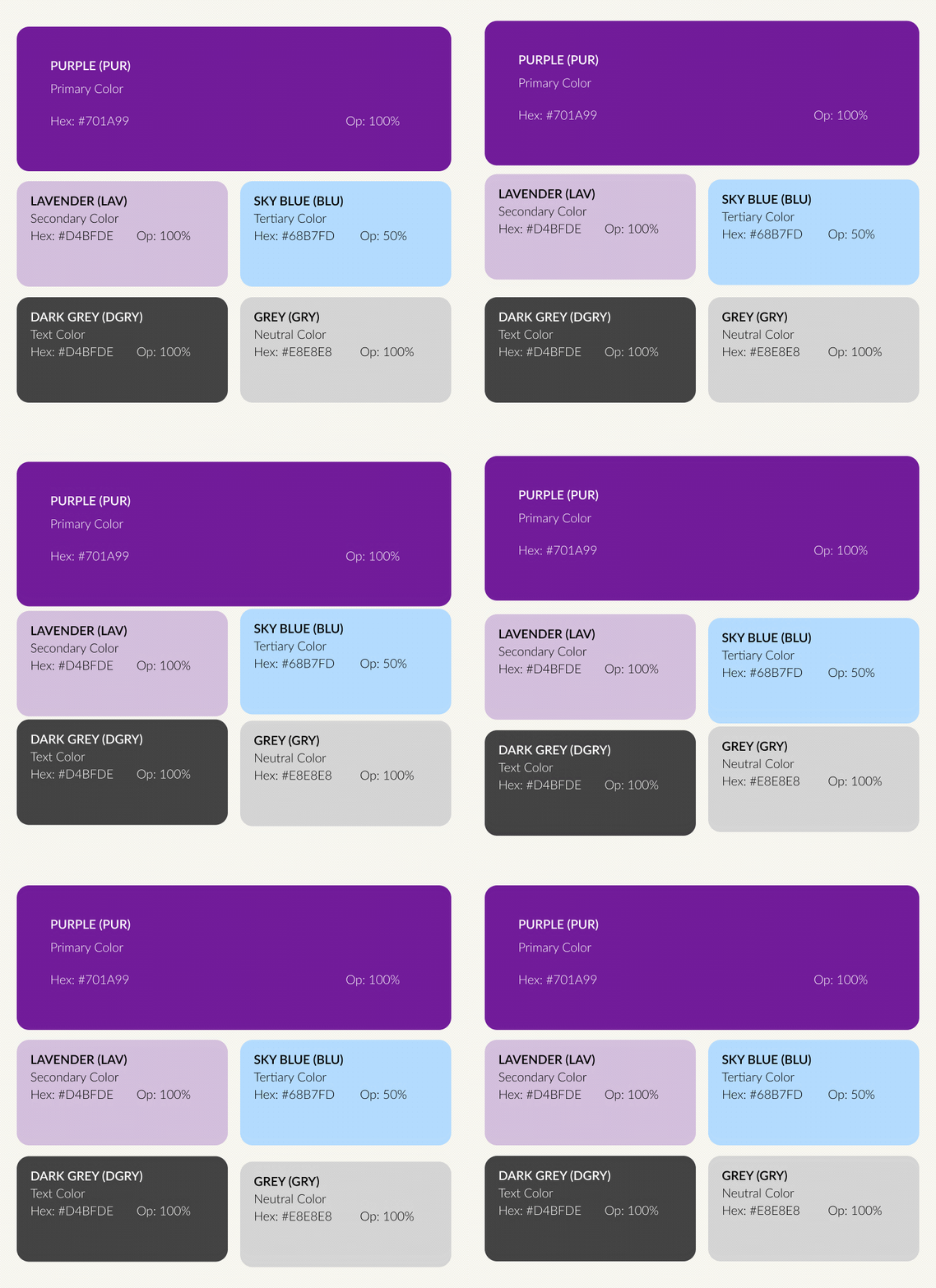
Purple became the primary action color - used intentionally for key CTAs, active states, and high-priority interactions. Lavender supports calm exploration through soft section backgrounds, and gentle visual grouping, generous white space creates clarity and a restorative pace. Contrast remained core constraint throughout, not an afterthought
CORE COMPONENTS
Ritual-ready components
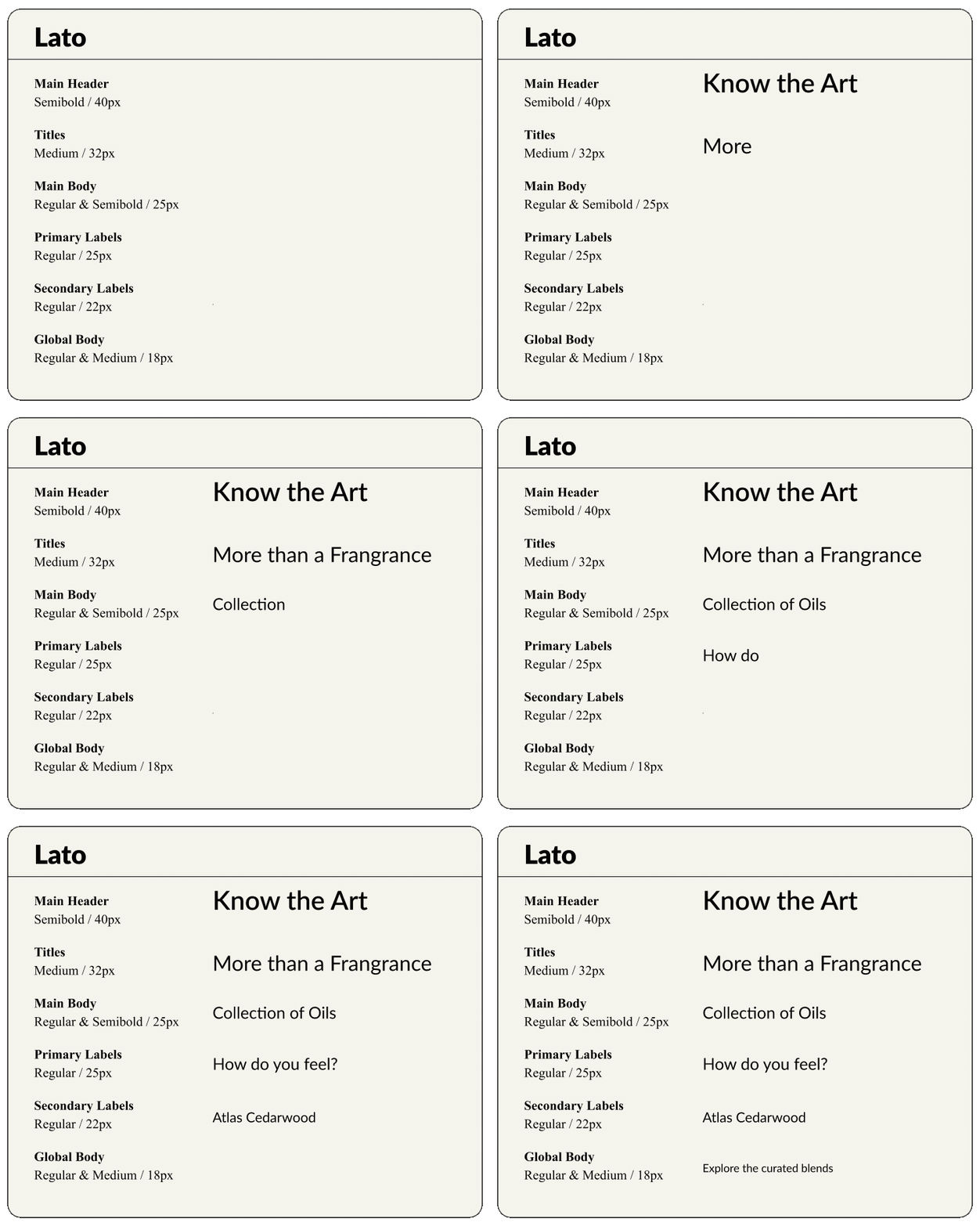
The moments that make each ritual feel personal: explore oil profiles, play supportive soundscapes, save blends, and follow simple guidance. Every card, control, and detail is built from the same color, type, and spacing tokens so the experience stays soothing and cohesive as it grows.
They're Live. Breathe In · Explore


Loading More
**This project is actively in progress- We are currently designing High-fidelity prototypes
Check back for more content loading.....


